Everyday Nutrition, Not Medical Advice
You Expected Breakfast To Feel Simple — Then Biblical drink (oil)/ Honey blend Became Part Of The Conversation
Long before it showed up in wellness talk, Biblical drink (oil)/ Honey blend sat on old kitchen tables. This page is about food habits and history, not miracles — and none of it replaces a conversation with the doctor who already knows your health.
What You Expected Vs. What Actually Happens
Nobody plans to feel confused at their own dinner table. But most people who watch their blood sugar end up here anyway. Here’s the gap between the plan and the real day.
You Thought You'd Just Know What To Eat
Somewhere between conflicting articles and family opinions, 'just eat healthy' stopped meaning anything specific. Every plate feels like a small exam.
The Afternoon Slump Nobody Warned You About
Lunch goes fine. Then, an hour later, focus fades and the couch looks very appealing. You didn't do anything 'wrong' — it just happens, often, quietly.
Mornings That Start Tired Anyway
You slept. You still wake up like you didn't. Coffee helps for twenty minutes, then the day resets to low.
The Weight Of Deciding Every Single Meal
Three meals, seven days, fifty-two weeks. Deciding what goes on the plate can feel heavier than actually eating it.
Kitchen Myths That Won't Quit
Some food beliefs get repeated so often they sound like facts. A few worth a second look.
All carbohydrates are the enemy.
Carbohydrates are a broad category — bread, beans, and berries aren’t interchangeable. Context, portion, and what’s on the plate with them all matter more than a single label.
Fruit is basically candy in disguise.
Whole fruit comes with fiber and water that candy doesn’t. Comparing an apple to a pastry ignores everything except sugar content.
There’s such a thing as ‘diabetic food.’
Food isn’t sorted into diabetic and non-diabetic categories. There’s just food — and how, when, and with what it’s eaten.
A Simple Habit Around Plate Order
This isn’t a diet. It’s a small sequence some people find easier to stick with at ordinary meals.
Start With What's Green Or Fibrous
Some people eat vegetables or salad first, before starches or protein land on the fork. Small change, same plate.
Slow Down The Middle Of The Meal
Eating at a slower pace — actual chewing, actual pauses — is a habit, not a rule. It’s less about willpower and more about rhythm.
Add A Little Movement After Eating
A short walk, standing up to clean the kitchen, anything that isn’t sitting still for the next hour. Gentle, not strenuous.
Where Biblical drink (oil)/ Honey blend Actually Comes From
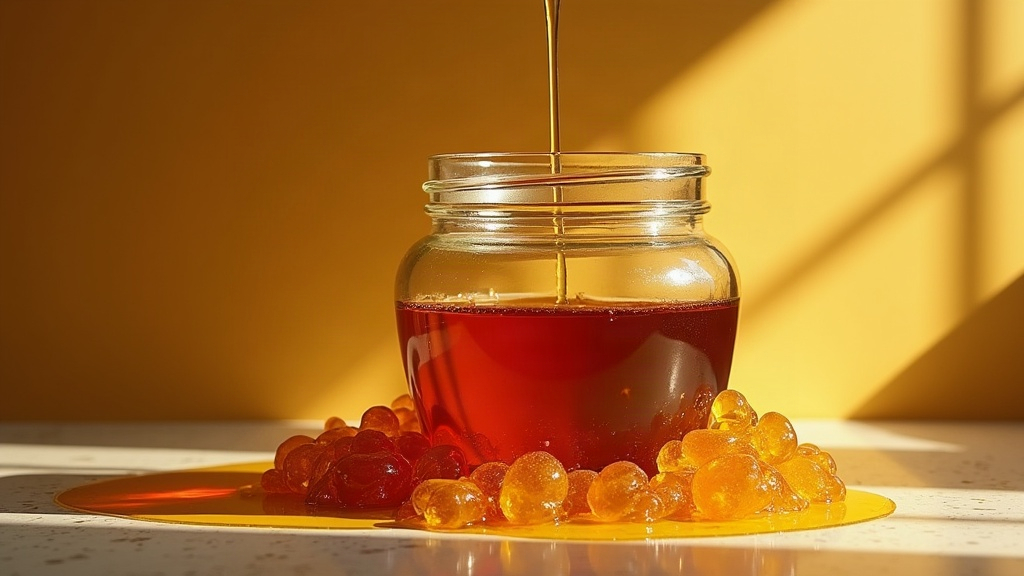
Long before it had a modern name, a blend of honey and oil showed up in old Mediterranean and Middle Eastern kitchens — stirred into bread dips, spread thin over flatbread, or poured over cooked grains at the end of a meal. It wasn’t treated as medicine. It was treated as food: a way to add richness and sweetness to simple dishes when refined sugar wasn’t sitting in every pantry. Recipes passed down through generations kept the combination alive mostly for taste and texture, not for any claimed effect on the body.
The story here is culinary, not clinical — how an old pairing of ingredients found its way onto tables, long before anyone connected it to blood sugar conversations.
Six Everyday Moments Worth Mentioning To Your Doctor
Energy Dips That Keep Repeating
If the same afternoon slump shows up week after week, it's worth mentioning at your next visit — not something to self-diagnose over coffee.
You're Changing Meals Significantly On Your Own
Big shifts in how or what you eat are worth discussing with the healthcare provider who already knows your history and any medication you take.
You're Curious About An Ingredient Like Honey And Oil Blends
Curiosity is fine. Before adding anything new to a routine that includes prescribed treatment, ask your doctor how it fits.
Sleep Feels Off But You Can't Pin Down Why
Persistent tiredness that doesn't match your sleep habits deserves a conversation with your provider, not guesswork.
You Notice Patterns Between Checkups
Something feels different but you're not sure it's worth an appointment — bring it up anyway at your next scheduled visit.
You're Considering Any Change To Medication Or Insulin
Never adjust, pause, or space out a prescribed treatment on your own. That decision belongs with the professional managing your care.
How A Few People Rearranged Their Meals

These are individual experiences shared for illustration only. Names are fictional composites, results vary person to person, and none of this is a guarantee of any outcome.
Curious How Old Kitchen Habits Fit Modern Meals?
This page is educational — it’s about food history and everyday habits, not a treatment plan. Keep your regular checkups, keep taking any prescribed medication exactly as directed, and talk to your doctor before changing your diet or routine.
Advertising Disclosure: This page contains sponsored content and affiliate links. We may receive compensation if you click a link or make a purchase through links on this page. This does not increase the cost to you and helps support the content we produce.
Content Disclaimer: This content is for educational and informational purposes only. It has not been evaluated by the FDA and is not intended to diagnose, treat, cure, or prevent any disease. It is not a substitute for professional medical advice, diagnosis, or treatment. Always consult a qualified healthcare professional before changing your diet, routine, or any prescribed treatment, including medication or insulin.
Results Disclaimer: Individual results vary. Testimonials and examples shared on this page reflect personal experiences and are not a guarantee of any specific outcome for you or anyone else.
© 2026 · All Rights Reserved